Kiyoshi Kurosawa - Cure
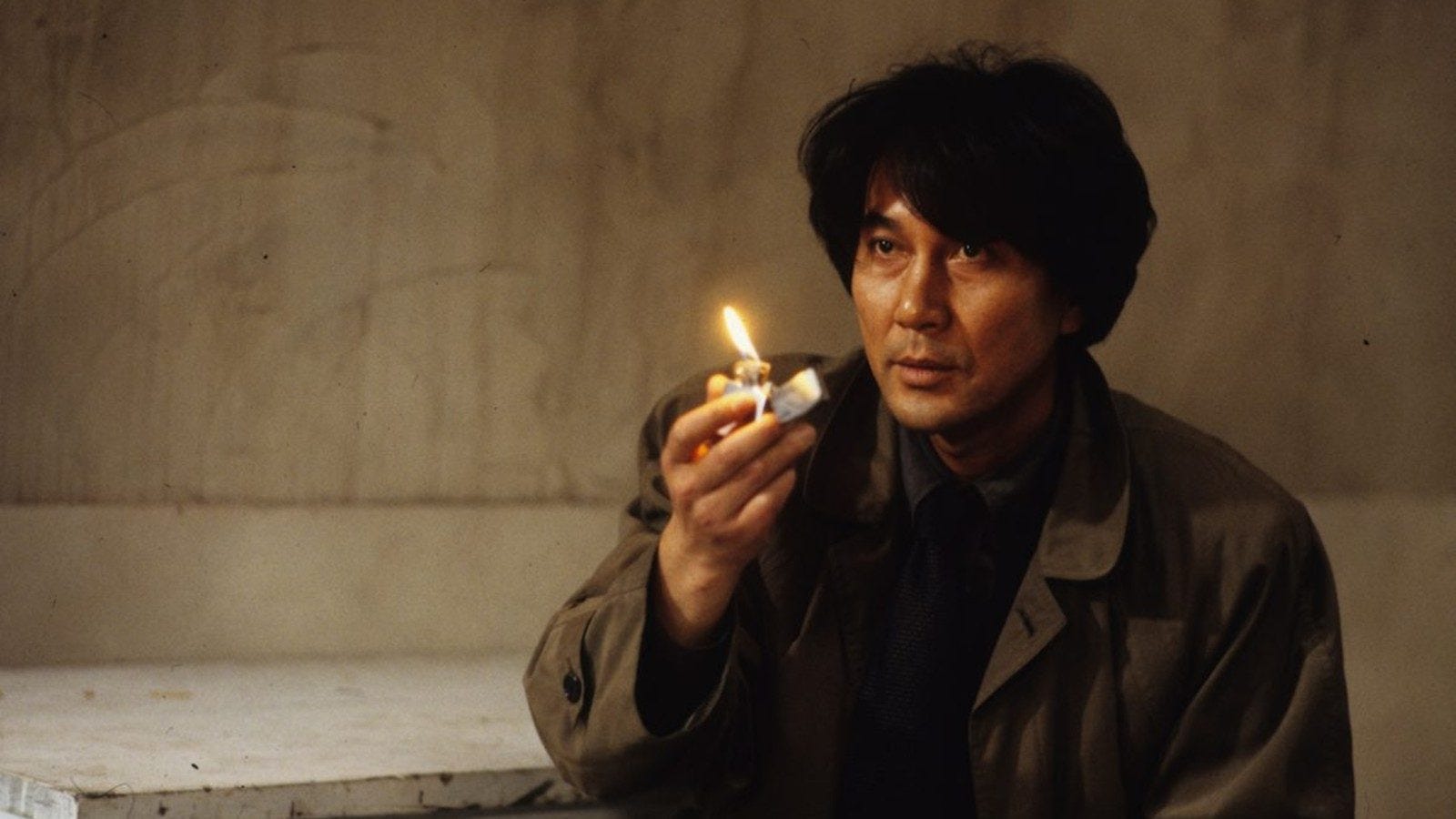
Kurosawa's Cure is a staple of Asian horror cinema that contains traces of culture and identity, providing a pathway for intricacies, societal gender norms, and personal and ethnic identity to be discussed, challenged, and better understood through the film's storytelling and cinematography.
"Tell me about yourself" is a seemingly harmless sentence, used to get more information about a person when not much is known about them. For a person like Mamiya, however, this sentence was more rhetorical as he knew more about the person than the person themselves just by observing the normal everyday life that they lived. This question raised more questions and reflections for the person that it was asked too, allowing Mamiya to wedge himself into their lives and more importantly, pass on the "cure". The personal identity of each individual was questioned, based on some imperfection that they had, some deep desire that they wanted, or some sort of vengeance that they wanted on the society that betrayed them.
One example of this was the nurse who wanted to be a doctor, but found that in the oppressive Japanese society that she would never be able to. J-horror films often use this societal approach "using urban topography and the pervasive use of technology, elements which are, at once, particular and universal...especially with reference to location shooting that frequently captures a sense of Tokyo urbanity. J-horror has often effectively used this dense topography to represent a uniquely urban sense of fear attached to the possibilities of the megalopolis and its mythos. The images of Tokyo and the surrounding locales tied with the city dwellers’ lives have been significant motifs in J-horror.” (Choi 18). The fear built into this movie comes from the fact that really anyone can be "cured" from doctors to policeman to ordinary salarymen, all with their own identity and purpose in a Japanese society. Mamiya used the characters' personal identity and beliefs "wanting to cut into men" to find those imperfections and those internal desires and hardwired them to resort to violence in order to take revenge. The urbanity further provides this false blanket of comfort while also making the fact that anyone can be inflicted unsettling. Each place where the murders occur are also just as ordinary, places where the audience will have visited at least once in their lives, redundant and simple places made the extraordinary things that occur unsettling.
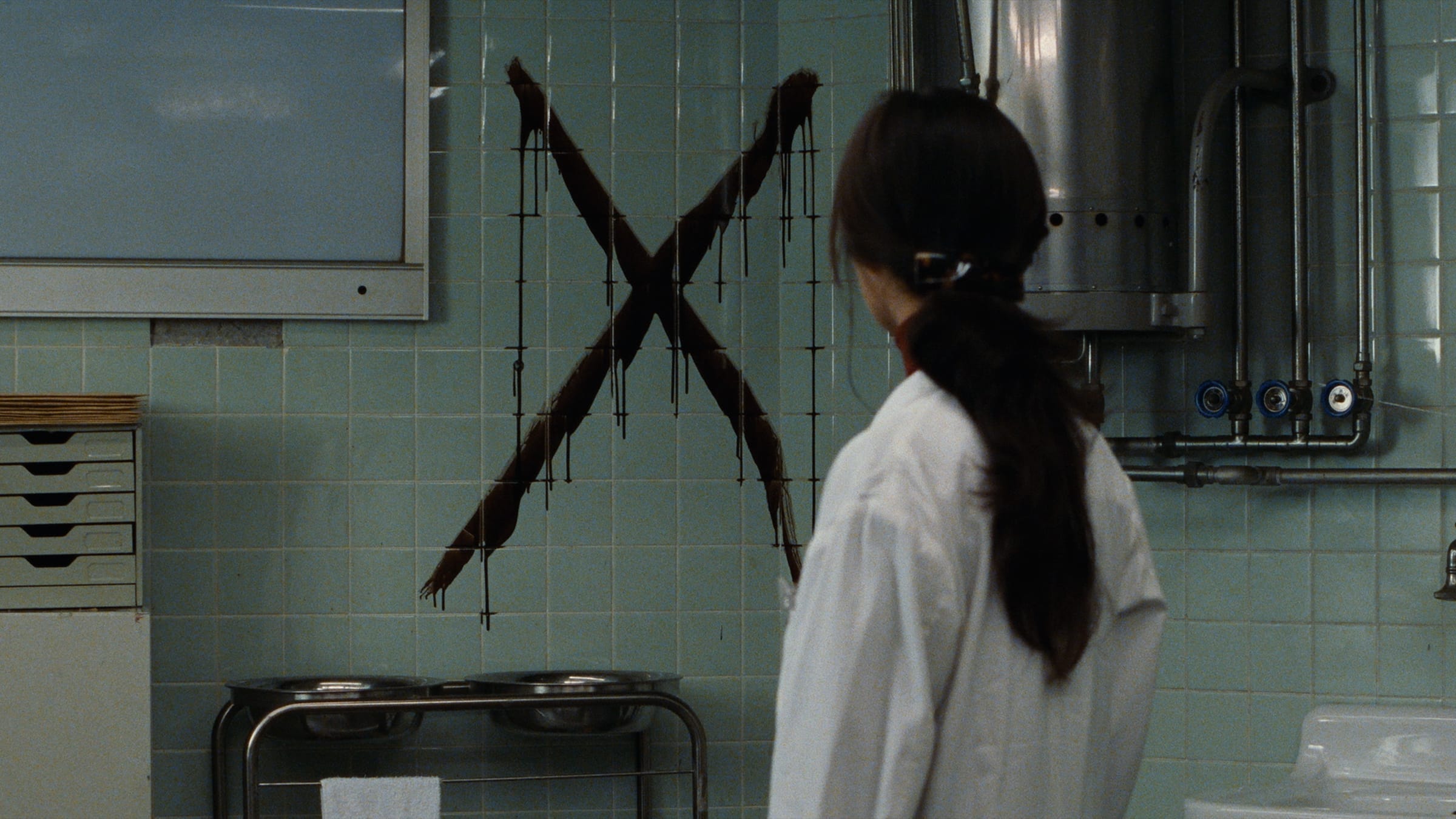
The cultural intricacies of Cure stem from Japanese stigma surrounding mental health, specifically talking about mental stability and the work life separation in Japanese society. In the scene between Takabe, Fumie, and the doctor that admits Fumie, the doctor looks at Takabe and asks tells him that he looks worse in shape than any of the other patients in the facility. Over the course of the film, one of Japan's most important societal issues is portrayed: the overworking of the Japanese people and the small work-life separation and balance that exists in Japanese society. For Takabe, the start of this problem comes from Mamiya who influenced his wife from the beginning, causing her to lose her memory over time. Takabe does not realize this at the start, believing that his wife and this case are unrelated. As Takabe becomes more and more involved in the case, however, the separation between caring for his wife and solving the case become impossible to distinguish as he pushes his wife away and admit her into a mental hospital to receive care unable to handle both the case and his wife at the same time. The two become basically overlapped by the end, the case and the situation with Takabe's wife are not separate, Mamiya passing this curse over to Takabe and his wife losing his life in the process. Further, the cultural intricacies become apparent in the question of whether a person is inherently evil or inherently good. In Mamiya's case, the violent manifestation comes from the societal struggles that each of the individuals face, and in his view each person has the ability to be violent and he harnesses that power to push the "cure". Many others have contested that thought process and argue that though Mamiya shows that people are inherently evil, people are inherently good, but the situations and pressures put by society allow them to be evil, which is also seen in this film. The doctor, for example, despite wanting to get a higher position and not being able to, she still chose the correct path and cared for her patients it was only after Mamiya influenced her that she acted in violent ways, because otherwise she was a good doctor that made the decisions that were best for her patients.
The societal gender norms in this film were apparent in the roles that each of the influenced individuals played. The doctor, the salaryman, the housewife and the teacher were all typical members of society acting in violent ways that are not what one would expect. Fumie, for example, continued to do her typical housewife tasks despite trying to. In one scene in particular, the audience sees Fumie going back and forth to the washer, turning it on despite there being no clothes in the washer. Takabe tries turning it off, but finds that Fumie forgets not even a few minutes later. She fails to do what is expected of her, including cleaning and cooking, and the repetitive nature of this scene highlights the cycle of the "cure" and more importantly how society expects the women to conform to this cycle, preventing them from breaking it.


Comments
Post a Comment